
Pomona
Pomona Nursing Home Abuse Attorney
When a parent or grandparent moves from a hospital into a rehab facility, skilled nursing home, or memory care community, families often have to make fast decisions with limited information. That pressure is common in Pomona, where Pomona Valley Hospital Medical Center serves as a major discharge hub for post-acute care.
If your loved one suffered a fall, bedsore, infection, hip fracture, dehydration, or sudden decline after entering a facility, you may need answers quickly. The Berberian Firm helps families investigate abuse, neglect, and preventable injuries. A Pomona nursing home abuse attorney at our law firm can review records, identify care failures, and help protect your loved one’s rights.
An experienced elder abuse lawyer can also help determine whether a facility violated state or federal care standards.

Why Pomona Families Face Nursing Home Abuse and Neglect Risks
Pomona serves residents from several surrounding communities and is home to a major regional hospital. As patients transition from hospitals to rehabilitation centers, skilled nursing facilities, or memory care communities, families often must make important care decisions quickly while navigating unfamiliar facilities and complex medical needs.
Many families are told a loved one is ready for discharge and must quickly choose from available rehab facilities or skilled nursing homes. Unfortunately, families may not receive enough information about staffing, inspection history, supervision levels, or fall risks before placement.
Caregivers in Pomona often balance these responsibilities alongside work, commuting, and family obligations spread across multiple cities throughout Los Angeles County and the Inland Empire. When a loved one is placed in a facility farther from home, regular visits may become more difficult, making it easier for neglect, abuse, or declining care standards to go unnoticed.
Common problems after discharge can include:
- Rushed hospital-to-rehab transitions
- Poor communication between facilities
- Incomplete medication or care instructions
- Unsafe nursing home transfers
- Delayed monitoring after admission
- Understaffed nursing homes
- Failure to supervise elderly residents
These issues can be especially dangerous for residents with dementia, Alzheimer’s disease, mobility limitations, or complex medical needs.
Warning Signs of Nursing Home Neglect in Pomona
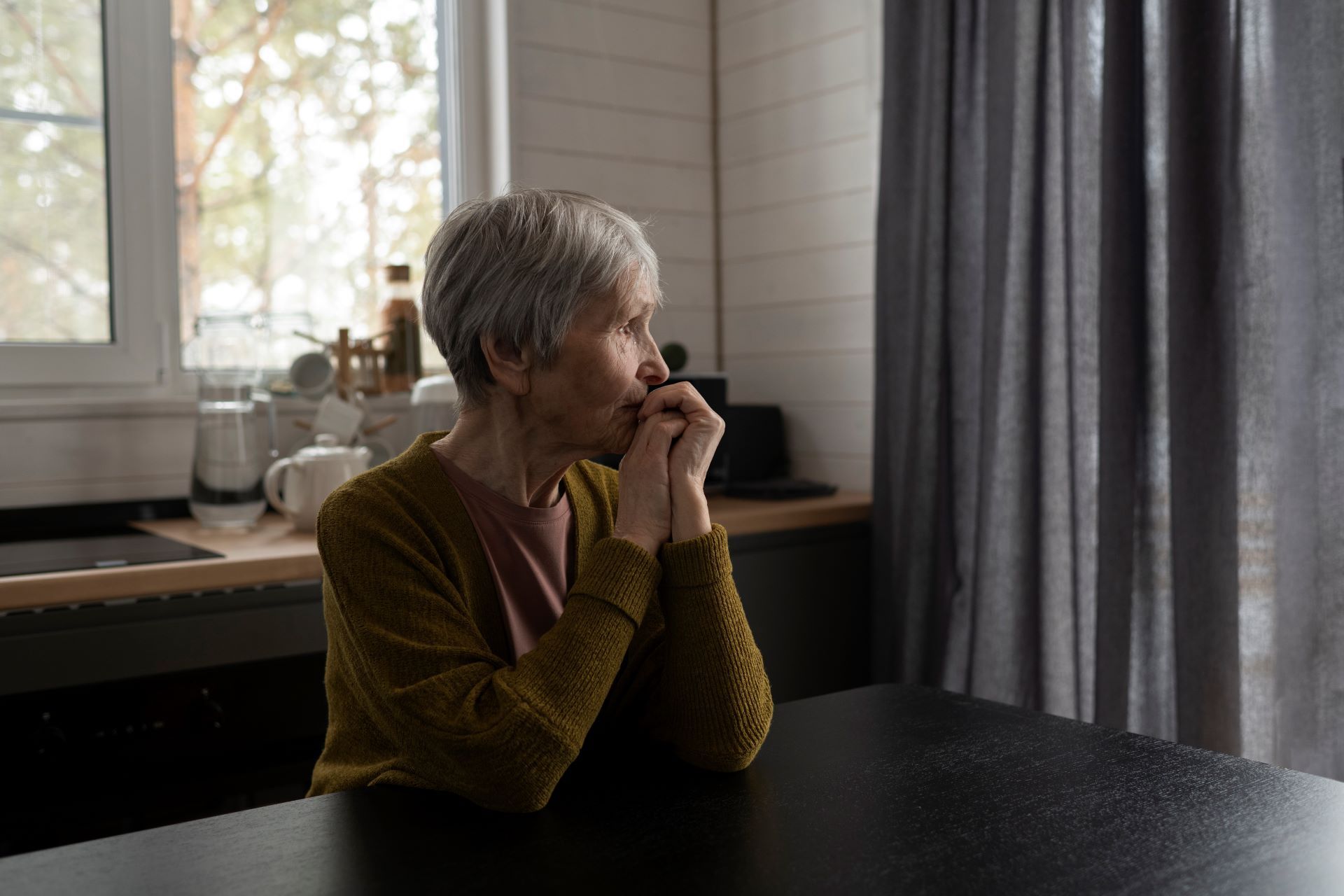
Family members are often the first to notice when something seems wrong in a nursing home, assisted living community, or memory care facility. While some changes in a resident’s health may be related to aging, chronic illness, or the progression of an existing medical condition, certain patterns can indicate that a resident is not receiving appropriate care, supervision, or protection.
Because residents may not always be able to explain what is happening—or may be reluctant to report concerns themselves—family observations often play an important role in identifying potential abuse or neglect. Changes that appear minor at first can sometimes signal larger problems involving supervision, staffing, medical care, or resident safety.
Warning signs that may warrant closer attention:
- Unexplained bruises, cuts, burns, or broken bones
- Frequent falls or recurring injuries
- Sudden weight loss, malnutrition, or dehydration
- Bedsores or worsening pressure injuries
- Poor personal hygiene or consistently soiled clothing
- Missed medications or medication mistakes
- Unusual fear, anxiety, depression, or emotional withdrawal
- Repeated infections or avoidable hospital visits
- Unsanitary living conditions
- Staff members who refuse to answer questions or provide conflicting explanations
Families should pay particular attention when injuries occur without a clear cause, when explanations change over time, or when a resident experiences an unexpected decline in physical, cognitive, or emotional health. Asking questions, documenting concerns, and maintaining regular contact with facility caregivers may help uncover issues before additional harm occurs.
When these warning signs appear, consulting a nursing home neglect attorney may help determine whether the facility violated its duty of care.
Common Nursing Home Injuries and Possible Care Failures
While every nursing home injury is unique, certain patterns appear repeatedly in abuse and neglect investigations. Understanding how common injuries occur can help families recognize potential red flags and determine whether a facility may have failed to provide appropriate care, supervision, or medical attention.
| Injury or Condition | Possible Care Failure | Why It Matters |
|---|---|---|
| Hip Fracture | Poor supervision or missed fall precautions | May indicate preventable neglect |
| Bedsores | Failure to reposition or monitor skin condition | Can show basic care was ignored |
| Repeated UTIs | Poor hygiene, dehydration, or delayed treatment | May suggest ongoing neglect |
| Dehydration | Lack of fluid assistance or monitoring | Can cause rapid decline |
| Medication Error | Missed dose, wrong dose, or wrong medication | May involve medical malpractice |
| Wrongful Death | Severe neglect or abuse leading to death | May support a separate legal claim |
If medical errors contributed to the injury, the case may also involve medical malpractice. If neglect resulted in death, surviving family members may need to understand their rights in a wrongful death claim.
A nursing home injury lawyer can help investigate whether these injuries were preventable and whether the facility failed to meet accepted standards of care.
Why Falls Are One of the Most Common Nursing Home Injuries
Falls remain one of the leading causes of serious injuries among the elderly. Many elderly individuals rely on staff assistance for walking, transferring between beds and wheelchairs, or using the restroom safely.
Hip fractures are among the most serious injuries suffered by nursing home residents and often occur after preventable falls. Learn more about nursing home liability for hip fractures and the circumstances that may lead to legal claims.
When facilities fail to follow fall-prevention plans, monitor high-risk residents, maintain safe environments, or provide adequate staffing, the risk of fractures, head injuries, and other serious harm can increase.
Hospital Discharge and Rehab Neglect in Pomona
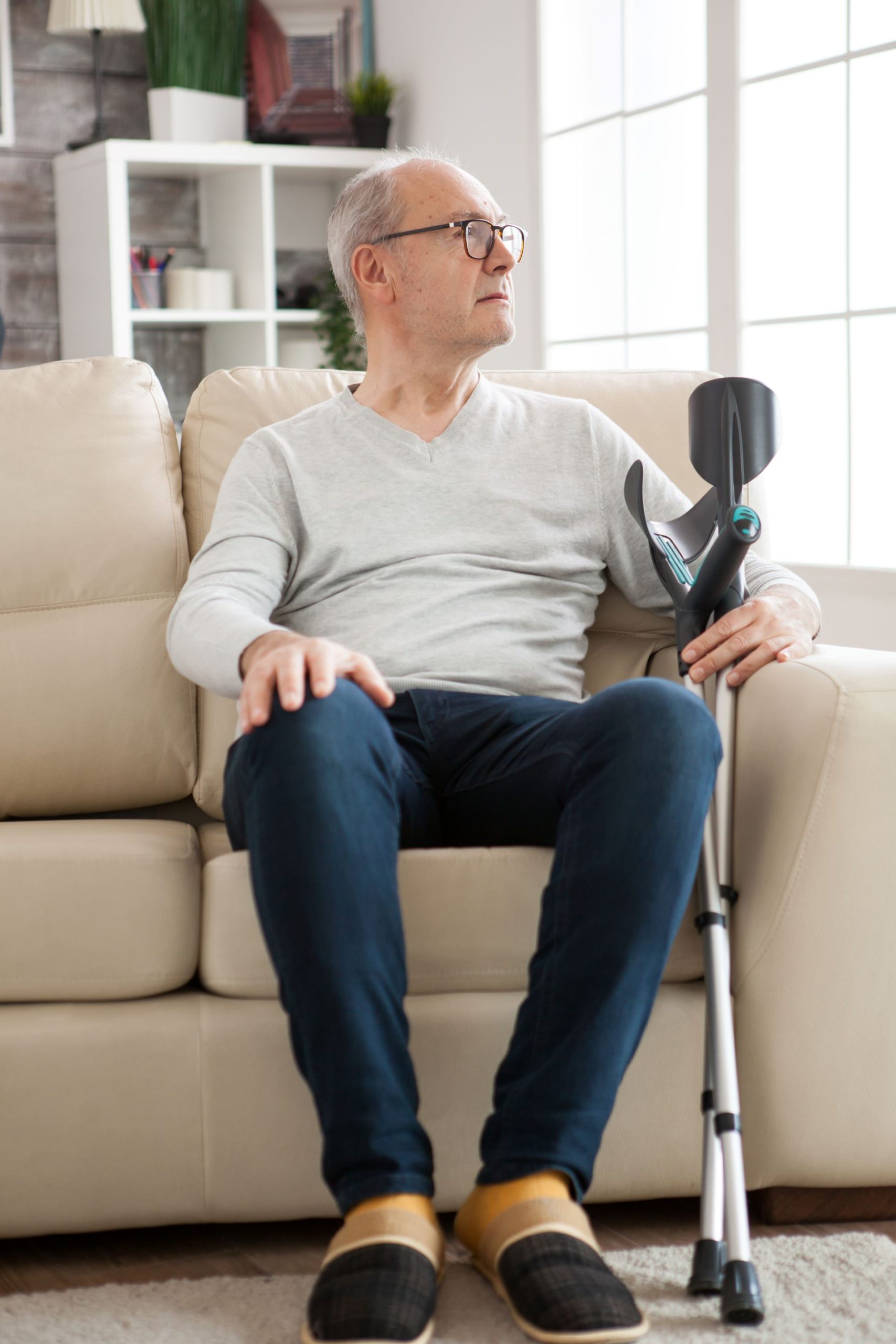
Hospital discharge neglect can happen when a vulnerable resident is transferred without a clear care plan. Families may hear that their loved one only needs short-term rehab, but the receiving facility may not be prepared for the resident’s actual needs.
A nursing home injury lawyer may look at whether the facility failed to:
- Review hospital discharge instructions
- Follow fall prevention orders
- Monitor infection symptoms
- Provide hydration or feeding help
- Give medications correctly
- Communicate changes to family members
- Transfer the resident back to the hospital when needed
This is especially important after a Pomona Valley Hospital rehab discharge, when a resident may still be weak, confused, medicated, or unable to advocate for themselves.
What Families Should Do After Suspected Elder Neglect
If you suspect abuse or neglect, take action early. Documentation can make a difference when investigating what happened and holding the responsible parties accountable.
| Step | What To Do |
|---|---|
| 1 | Photograph injuries, bedding, room conditions, and visible hazards |
| 2 | Write down dates, staff names, and changing explanations |
| 3 | Request medical records, incident reports, and medication logs in writing |
| 4 | Report urgent safety concerns to the facility administrator |
| 5 | File a complaint with the California Department of Public Health |
| 6 | Contact a Pomona elder neglect law firm before speaking with insurance representatives |
The California Department of Public Health accepts complaints involving licensed health care facilities, including nursing homes. California’s Long-Term Care Ombudsman program also advocates for residents’ rights.
How The Berberian Firm Helps Pomona Families
The Berberian Firm represents families dealing with nursing home abuse, assisted living neglect, memory care injuries, and preventable elder harm. Whether your case involves a fall, bedsore, infection, unexplained injury, or sudden death, our team can investigate what happened and why.
A Pomona assisted living abuse lawyer or memory care neglect attorney, for example, may review:
- Medical records
- Care plans
- Staffing logs
- Incident reports
- Facility inspection history
- Witness statements
- Photos and family documentation
Together, these records can provide critical evidence of understaffing, inadequate supervision, delayed responses to medical needs, or other forms of neglect that may support a legal claim.

Contact a Pomona Nursing Home Abuse Attorney for Guidance
When a loved one suffers an unexplained injury, sudden decline, preventable hospitalization, or unexpected death, families deserve clear answers. You should not have to wonder whether what happened was an unavoidable medical event or the result of neglect, abuse, or inadequate care.
Our team can investigate facility records, review care plans, identify potential violations, and help you understand your legal options. The sooner concerns are investigated, the easier it may be to secure critical evidence and protect your loved one’s well-being.
Contact us for a free, confidential case review. We serve families in Pomona, the San Gabriel Valley, East Los Angeles County, and the Inland Empire.
FAQS
Is it normal for nursing homes to restrict visits after a resident falls?
No. Temporary medical limitations may occur in rare situations, but a facility should not restrict family access solely because a resident was injured. If visits are suddenly restricted after a fall, document the reason given and contact an attorney.
Can repeated UTIs in elderly residents be a sign of neglect?
Yes. One UTI does not automatically prove neglect, but repeated UTIs may point to poor hygiene, dehydration, delayed treatment, or inadequate monitoring.
What if the facility suddenly changes staff’s stories about an injury?
Changing explanations is a major red flag. Write down each version of the story, who said it, and when. Inconsistent reports may suggest delayed documentation or an attempt to avoid responsibility.
What happens if a nursing home refuses to release medical records?
California patients and authorized representatives have the right to inspect and receive copies of medical records. A refusal or delay may become important evidence in a neglect case.
What should families do if they fear retaliation after filing complaints?
Document every concern. If your loved one receives worse care after a complaint is filed, contact an attorney quickly. In serious cases, families may also need to consider transferring the resident to a safer facility.
