

Ventilator Care Neglect Lawyer
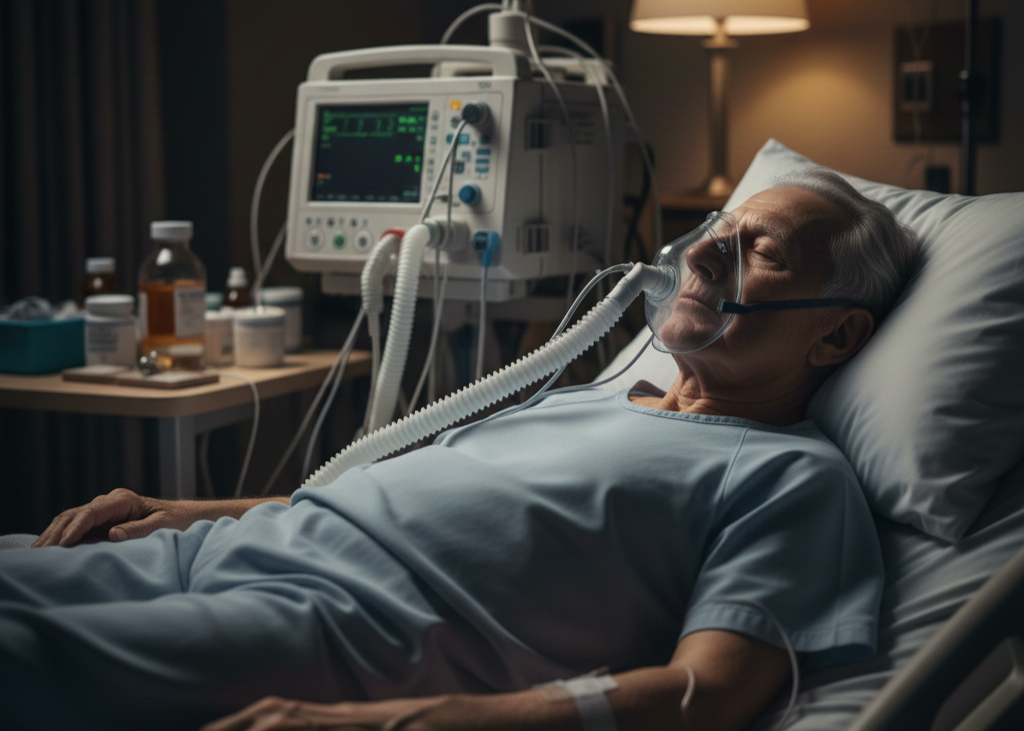
A missed ventilator alarm or equipment disconnection can cause a previously stable nursing home resident to deteriorate rapidly, resulting in respiratory arrest, hypoxic brain injury, or emergency hospitalization. For families, these outcomes often reflect a critical failure in ventilator monitoring and care.
Because ventilator-dependent residents cannot respond to equipment failures on their own, proper care requires constant supervision and immediate intervention. When staff fail to meet these standards, the consequences can be severe or fatal.
The Berberian Firm represents California families in cases involving ventilator care failures in nursing homes and subacute facilities. Our ventilator care neglect lawyers assess whether abuse or neglect occurred and pursue full compensation on behalf of affected families.
How Ventilator Care Neglect Happens in California Facilities
Ventilator neglect typically results from repeated lapses in care, not a single isolated mistake. Missed alarms, regulatory violations, and chronic understaffing can create dangerous conditions for patients who need a ventilator to help them breathe.
Causes of nursing home ventilator injuries include:
- Ignored or delayed ventilator alarms. Alarm signals for disconnection, low oxygen levels, or equipment malfunctions are not addressed in a timely manner.
- Improper ventilator settings. Staff use incorrect settings or do not adjust the ventilator as respiratory needs change.
- Ventilator disconnection neglect. Tubing and airway connections come loose or disconnect due to poor securing or a lack of monitoring.
- Delayed suctioning or airway care. Inadequate or delayed secretion management increases the risk of airway complications and infection.
- Failure to monitor respiratory status. Changes in oxygen levels or breathing patterns go unrecognized until the resident is already in respiratory distress.
- Lack of trained respiratory support. Facilities often lack qualified respiratory therapists to properly manage and monitor ventilator care.
These failures often reflect broader issues within the facility, including understaffing and inadequate supervision.
Why Ventilator Patients Are Especially Vulnerable
For residents who depend on a ventilator, uninterrupted monitoring can mean the difference between stability and crisis. Even momentary lapses in care can trigger life-threatening respiratory emergencies.
Ventilator-dependent residents are especially vulnerable when standards of care are not met because:
- They cannot adjust equipment or respond when something goes wrong
- Many cannot speak or signal distress
- Equipment failures can interrupt oxygen delivery in a matter of minutes
- Delayed response can lead to respiratory arrest or brain injury
Because these residents rely so heavily on proper monitoring, families are often the first to see signs that something is wrong with their care, including:
- Repeated alarms without a clear explanation
- Staff uncertainty about ventilator operation
- Sudden respiratory emergencies or hospital transfers
- Limited or inconsistent communication from the facility
Frequent issues often indicate poor respiratory monitoring, rather than an unavoidable medical decline.
Subacute Facility Neglect and Advanced Respiratory Care
In California, subacute ventilator programs are expected to meet clinical and staffing standards that reflect the complexity and risk of caring for ventilator-dependent residents.
To meet these expectations, residents who rely on mechanical ventilation are placed in subacute programs operated within skilled nursing facilities (SNFs). These programs are designed for medically fragile patients who require more intensive monitoring and specialized care than traditional nursing home settings provide.
Subacute facility neglect arises when critical elements of patient care are not properly provided, including cases where:
- A respiratory therapist is not available during nights, weekends, or emergencies
- Ventilator-dependent residents are assigned to nurses without adequate respiratory training
- Subtle respiratory changes or alarm patterns are missed due to inadequate subacute-level monitoring
- Communication between nursing staff, respiratory providers, and physicians breaks down
When subacute services are treated like routine skilled nursing—without the staffing, training, and oversight these residents require—individuals receiving ventilator support face a higher risk of preventable respiratory emergencies and serious injury.
Tracheostomy Care Negligence and Respiratory Therapy Gaps
Ventilator care commonly includes tracheostomy management to keep airways clear and minimize the risk of infection.
Tracheostomy care negligence often includes:
- Infrequent or improper cleaning of tracheostomy sites
- Poor suctioning technique or excessive delays between suctioning
- Failure to replace, maintain, or properly secure trach tubes
- Inadequate infection control during tracheostomy care
Patients also rely on respiratory therapy to monitor ventilator function and respond to changing needs. Without consistent oversight, they may miss signs of altered breathing or poor oxygen delivery.
Respiratory therapy neglect may include failures such as:
- Lack of regular ventilator assessments by a respiratory therapist
- Failure to adjust ventilator settings to evolving respiratory needs
- Inadequate monitoring of lung function and airway pressures
- Delayed response to respiratory decline or ventilator complications
While residents may experience difficulty breathing due to complex medical needs, many respiratory emergencies result from missed monitoring and insufficient respiratory staffing.
Staffing Shortages and Ventilator Safety
Ventilator care depends on staffing levels that reflect patient needs. California regulations mandate facilities to staff based on acuity, particularly in subacute and respiratory units.
Under HSC §1276.9, facilities must provide a minimum of 2.3 hours per patient day from certified nursing assistants (CNAs). However, this California nursing home standard does not reflect the intensive, continuous monitoring required for residents who depend on assisted breathing.
Staffing deficiencies that place ventilator patients at risk include:
- Excessive patient-to-nurse ratios involving ventilator-dependent residents
- Staffing practices that require respiratory therapists to cover multiple floors or wings at the same time
- Slower response times during nights, weekends, or shift changes
- Prioritizing documentation over consistent bedside monitoring
These conditions increase the likelihood of alarm failures and delayed intervention, which can escalate into preventable respiratory emergencies.
Injuries Commonly Linked to Ventilator Neglect
When ventilator care breaks down, residents can suffer severe and often irreversible injuries with long-term consequences. At The Berberian Firm, our ventilator neglect attorneys often handle cases involving:
| Facility Failure | Resulting Harm |
| Ignored Ventilator Alarms | Respiratory arrest caused by prolonged loss of oxygen. |
| Ventilator Disconnection | Hypoxic brain injury or death following sudden interruption of airflow. |
| Poor Tracheostomy Hygiene | Severe infection, including ventilator-associated pneumonia (VAP) or sepsis. |
| Inadequate Suctioning | Airway obstruction that interferes with breathing. |
| Delayed Emergency Response | Cardiac arrest or fatal outcomes after untreated respiratory distress. |
If your loved one experienced a ventilator-related emergency or unexplained decline, take action right away.
Follow these steps:
- Document alarms, incidents, and changes in condition
- Request medical, respiratory, and facility records
- Report concerns to Adult Protective Services or the California Department of Public Health
- Contact legal counsel as early as possible
Our qualified elder neglect attorneys can help you pursue compensation for emergency hospitalization, long-term respiratory or neurological care, and, in fatal cases, wrongful death caused by poor ventilator care.
How Our Ventilator Care Neglect Lawyers Can Help
Ventilator-related harm is often challenging to prove because records are incomplete, explanations change, and critical evidence can be lost or overwritten. That’s why it’s crucial to work with an attorney who understands respiratory care, California nursing home regulations, and the documentation process behind these cases.
At The Berberian Firm, our team can:
- Review respiratory therapy, nursing, and ventilator records for missed alarms, delays, or inconsistencies
- Identify violations of California nursing home and subacute care standards
- Work with respiratory and critical-care experts to evaluate ventilator management
- Preserve time-sensitive evidence before it is altered or disappears
- Handle the legal process while your family focuses on care and recovery
With years of experience investigating California nursing home neglect and millions recovered for affected families, we know how to pursue accountability and justice when care failures cause serious harm.
Speak With a California Ventilator Care Neglect Lawyer Today
If you suspect ventilator care neglect, do not wait. Document everything and contact a ventilator care neglect lawyer who can help you protect your loved one and preserve critical evidence.
Our attorneys analyze what went wrong, identify where care broke down, and determine whether the facility’s actions—or inaction—caused preventable harm.
Contact The Berberian Firm today for a free consultation. We will review your family’s situation and discuss how to pursue accountability and financial recovery.
FAQs
What should facilities do when a ventilator alarm goes off?
Staff should immediately assess the resident, confirm ventilator function, address the cause of the alarm, and document the response.
Can a nursing home be liable for ventilator disconnections?
Yes. A nursing home may be at fault if ventilator equipment becomes disconnected and staff fail to secure it or respond promptly.
What are California’s staffing requirements for ventilator care?
In California, facilities must staff according to resident acuity, including nurses and respiratory therapists trained to manage ventilators and respiratory support.
How do you prove a facility ignored alarms or failed to monitor?
Gather records, such as alarm logs, staffing schedules, and medical charts, that demonstrate delayed responses, missing documentation, or inconsistent respiratory monitoring.
Is ventilator-associated pneumonia (VAP) considered neglect?
Ventilator-associated pneumonia is considered neglect when it results from poor hygiene, improper suctioning, or inadequate respiratory monitoring.
Do subacute units have different legal standards?
Yes. Subacute units necessitate higher staffing levels, specialized training, and closer monitoring than standard SNFs.
