
Woodland Hills
Woodland Hills Nursing Home Abuse Attorney
Choosing a nursing home, assisted living community, or rehabilitation center for a loved one is never easy. Families trust these facilities to provide compassionate care, protect residents’ health, and treat them with dignity. Unfortunately, abuse and neglect can occur even in highly rated or luxury senior living communities.
If you believe your loved one has suffered harm in a skilled nursing facility, assisted living community, memory care center, or rehabilitation facility, an experienced Woodland Hills nursing home abuse attorney can help you understand your legal options.
The Berberian Firm represents families throughout Woodland Hills and the western San Fernando Valley who are concerned about neglect, falls, medication errors, pressure ulcers, dehydration, and other forms of elder mistreatment.
As an experienced elder neglect law firm in Woodland Hills, we investigate the facts, review medical records, and pursue accountability when facilities fail to meet the standard of care required by California law.

The Woodland Hills Senior Care Landscape
Woodland Hills is a major center for senior care in the western San Fernando Valley. The community includes numerous assisted living communities, memory care residences, skilled nursing facilities, luxury retirement communities, and post-acute rehabilitation centers that serve older adults and their families across ZIP codes 91364, 91365, and 91367.
Its proximity to several major hospitals makes Woodland Hills a common destination for patients transitioning from hospital care to rehabilitation or long-term residential care.
Nearby Hospitals Serving Woodland Hills
| Hospital | Common Patient Transitions |
|---|---|
| Kaiser Permanente Woodland Hills Medical Center | Post-hospital rehabilitation and skilled nursing placement |
| UCLA West Valley Medical Center | Rehabilitation following surgery or illness |
| Providence Cedars-Sinai Tarzana Medical Center | Skilled nursing, rehabilitation, and long-term care referrals |
Many residents enter a facility after:
- Hip replacement surgery
- Stroke
- Serious illness
- Fall-related injuries
- Extended hospitalization
Although these facilities provide essential care, the transition from the hospital to a nursing facility is a vulnerable time for older adults and requires careful coordination to help prevent medication errors, communication failures, and other adverse events.
Why Families Should Remain Involved
Many Woodland Hills families live throughout Los Angeles County or outside the San Fernando Valley, making regular visits challenging. Unfortunately, less frequent family oversight can make it easier for problems to develop unnoticed. Regular family involvement remains one of the most effective ways to identify potential problems before they become serious.
According to the World Health Organization, approximately one in six adults over age 60 experiences some form of abuse in community or institutional care settings each year.
Who Is Most at Risk?
Although every resident deserves safe care, certain individuals face a greater risk of neglect or abuse.
These include residents who:
- Have Alzheimer’s disease or other forms of dementia
- Require assistance transferring between bed and wheelchair
- Recover from surgery or hospitalization
- Depend on staff for meals or hydration
- Have limited mobility
- Receive few visitors
- Cannot effectively communicate concerns
The Administration for Community Living recognizes that social isolation can negatively affect older adults’ health and well-being, while the CDC identifies social isolation and a lack of social support as risk factors for elder abuse.
Because residents with dementia may have difficulty reporting abuse or neglect, families often turn to a memory care neglect attorney in Woodland Hills when they suspect a facility has failed to provide appropriate care.
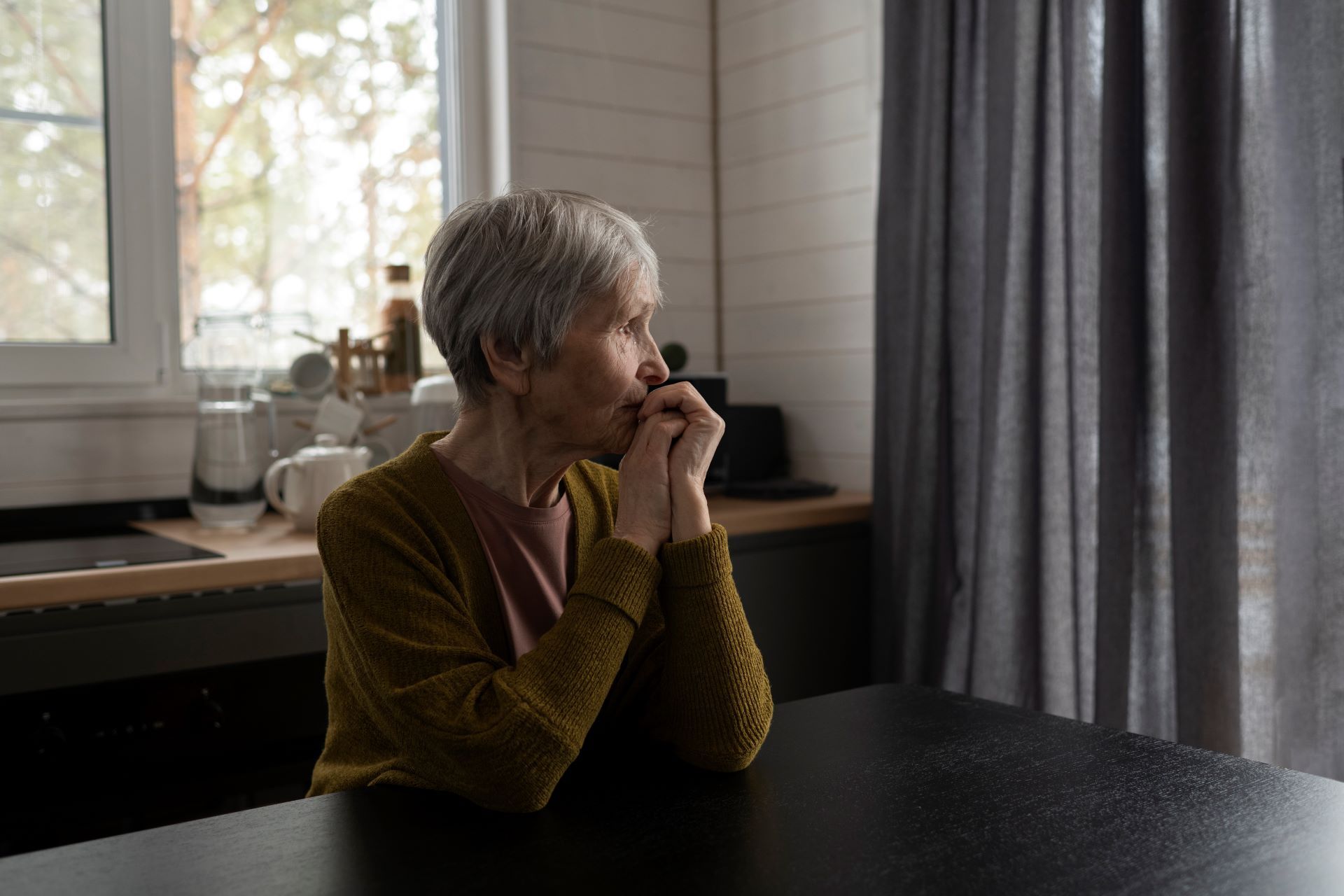
Examples of Nursing Home Abuse and Neglect
While some cases involve physical violence, many result from chronic understaffing, poor supervision, or failures to follow established care plans.
-
Falls and Fractures
-
Pressure Ulcers (Bedsores)
-
Dehydration and Malnutrition
-
Medication Errors
-
Untreated Infections
-
Emotional Abuse
Falls are among the most common safety concerns affecting nursing home residents. According to the Agency for Healthcare Research and Quality, approximately half of all nursing home residents fall each year, and one in 10 falls results in a serious injury.
Facilities should evaluate each resident’s fall risk and implement individualized prevention measures such as:
- Mobility assistance
- Bed and chair alarms
- Proper supervision
- Physical therapy
- Environmental hazard removal
Hip fractures and other serious injuries often occur when appropriate fall precautions are not followed. Learn more about how facilities sometimes underreport these incidents in our guide on nursing homes that substantially underreport falls and bedsores.
Families whose loved ones suffer preventable fall-related injuries may benefit from speaking with a Woodland Hills nursing home injury lawyer to understand their legal rights.
Pressure ulcers can develop when immobile residents remain in one position for extended periods.
Proper care includes:
- Scheduled repositioning
- Skin assessments
- Pressure-relieving mattresses
- Adequate nutrition
- Prompt wound treatment
Advanced bedsores are often preventable with appropriate nursing care.
Residents who depend on caregivers for meals or fluids may suffer serious complications if staff fail to monitor intake.
Potential warning signs include:
- Rapid weight loss
- Dry skin
- Confusion
- Fatigue
- Kidney problems
Left untreated, dehydration can become a medical emergency for older adults, increasing the risk of hospitalization, kidney problems, confusion, and other serious complications.
Medication mistakes may involve:
- Incorrect medications
- Wrong dosages
- Missed doses
- Dangerous drug interactions
- Failure to monitor side effects
Even a single medication error may result in hospitalization or medical complications.
Urinary tract infections, pneumonia, skin infections, and sepsis may worsen rapidly if symptoms go unnoticed.
Delayed treatment sometimes results from:
- Understaffing
- Poor communication
- Overnight supervision failures
- Failure to respond to call lights
Prompt medical attention is essential for vulnerable residents.
Not every injury leaves visible bruises.
Residents may experience:
- Verbal intimidation
- Humiliation
- Threats
- Isolation
- Fear of specific caregivers
Behavioral or emotional changes may be among the earliest signs that a resident is experiencing abuse or neglect.
Rehabilitation Facilities and Hospital Discharge Injuries
Many Woodland Hills residents stay in rehabilitation facilities for only a few weeks after leaving the hospital.
During this transition, facilities must properly:
- Review discharge instructions
- Administer medications
- Provide therapy safely
- Monitor recovery
- Prevent falls
- Communicate changes to physicians
Failures during rehabilitation can result in:
- Medication errors
- Therapy-related injuries
- Unsafe nursing home transfers
- Delayed rehabilitation
- Worsening medical conditions
Some cases may involve rehab negligence after hospitalization, while others may involve broader negligence or even medical malpractice.
Warning Signs by Care Setting
| Facility Type | Common Warning Signs | What Families Should Request |
|---|---|---|
| Skilled Nursing Facility | Falls, bedsores, and unexplained weight loss | Care plan, fall reports, and wound care records |
| Assisted Living | Poor hygiene, dirty clothing, and fearfulness | Staffing information and service agreements |
| Memory Care | Behavioral changes, bruising, and medication concerns | Medication administration records and dementia care policies |
| Rehabilitation Facility | Therapy injuries, early discharge, and limited progress | Therapy notes and discharge planning documentation |
Many residents enter a facility after:
- Hip replacement surgery
- Stroke
- Serious illness
- Fall-related injuries
- Extended hospitalization
Although these facilities provide essential care, the transition from the hospital to a nursing facility is a vulnerable time for older adults and requires careful coordination to help prevent medication errors, communication failures, and other adverse events.
What Families Can Do if They Suspect Abuse
If something doesn’t feel right, trust your instincts.
You should consider:
- Photographing visible injuries
- Keeping detailed notes after each visit
- Requesting medical records
- Speaking with physicians
- Reporting concerns to facility management
- Contacting the California Long-Term Care Ombudsman
- Consulting an experienced elder neglect law firm in Woodland Hills
Our guide explains additional steps families can take if they suspect nursing home abuse.
Assisted Living Abuse
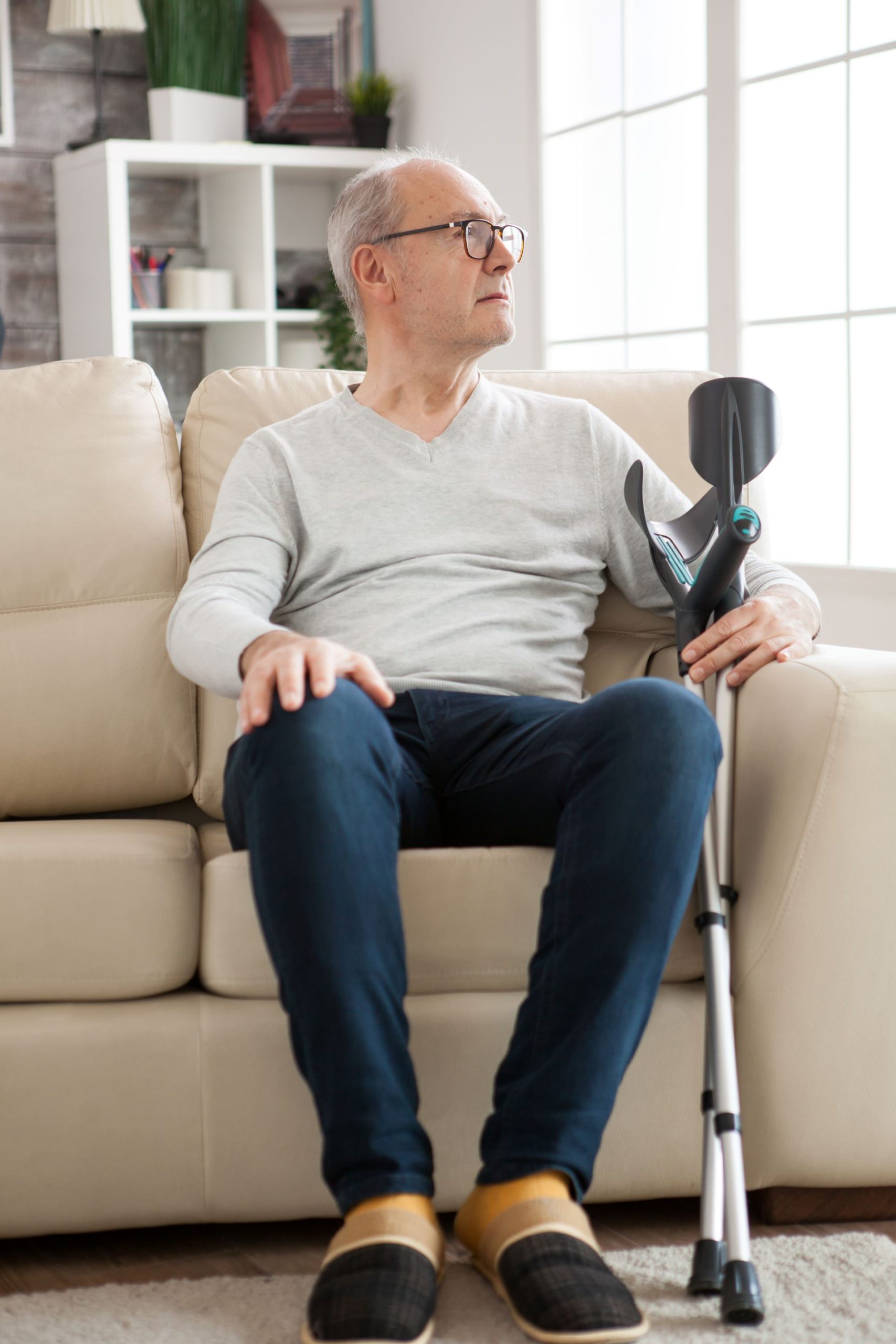
While nursing homes provide skilled medical care, assisted living communities have their own responsibilities to protect residents.
Neglect may include:
- Inadequate supervision
- Medication assistance failures
- Falls
- Poor hygiene
- Failure to summon emergency medical care
Learn more about the warning signs, legal issues, and your rights in cases involving assisted living abuse.
Get Answers if You Suspect Nursing Home Abuse
Discovering that a loved one may have been neglected or abused in a care facility is overwhelming. If you’ve noticed unexplained injuries, repeated falls, bedsores, dehydration, medication errors, or sudden physical or emotional changes, you don’t have to face the situation alone.
The Berberian Firm represents families whose loved ones have been harmed by negligent nursing homes, assisted living communities, rehabilitation centers, and memory care facilities. We investigate what happened by reviewing medical records, consulting with qualified experts, and determining whether the facility failed to meet the required standard of care.
If you suspect abuse or neglect, don’t wait for the situation to worsen. Contact The Berberian Firm to speak with a nursing home neglect attorney in Woodland Hills during a free, confidential consultation.

FAQS
Is it normal for a rehab facility to discourage frequent family visits during the first few weeks?
No. California residents have the right to receive visitors. While some facilities ask families to avoid visiting during therapy sessions or certain care activities, discouraging visits altogether may warrant additional questions.
What should I photograph or pay attention to during visits if something feels wrong?
Photograph visible injuries, such as bruises or bedsores, as well as unsanitary conditions, poor hygiene, unsafe living environments, or other signs that your loved one is not receiving proper care.
What happens if the facility refuses to release records?
Residents and authorized representatives have the right to obtain medical records under California law. If a facility improperly withholds records, an attorney can help obtain them through the appropriate legal process.
Why do some Woodland Hills residents get placed in facilities far outside the Valley?
Hospital discharge planners consider insurance coverage, bed availability, specialty care, and medical needs when making referrals.
How can I tell the difference between dementia progression and neglect?
Some symptoms overlap. However, unexplained injuries, rapid weight loss, untreated infections, unexplained bruising, or sudden declines after a period of stability may indicate neglect rather than normal disease progression.
What should I do if I fear staff will retaliate after I complain?
Document any changes in care immediately and continue visiting your loved one regularly. California law prohibits retaliation against residents who report abuse or whose families advocate on their behalf. An attorney can help protect your loved one’s rights if retaliation occurs.
