
Torrance
Torrance Nursing Home Abuse Attorney
Watching a parent or loved one decline after entering a nursing home is heartbreaking. While some health changes are expected with age or chronic illness, unexplained injuries, poor hygiene, pressure ulcers, dehydration, or repeated falls may be signs that something more serious is happening.
If you suspect a loved one has been neglected or mistreated in a Torrance care facility, you are not overreacting, and you are not alone. Richard Berberian and The Berberian Firm serve as a Torrance nursing home injury lawyer for families seeking answers after preventable injuries caused by abuse or neglect.
We help investigate suspected misconduct, protect vulnerable residents, and pursue accountability when facilities fail to provide appropriate care.

Protecting Torrance’s Seniors and Their Families
Approximately 18.8% of residents are 65 or older. Torrance is also well known for its longstanding Japanese-American community and diverse cultural population.
Although many families hope to keep loved ones close to home, some Torrance residents receive care in skilled nursing facilities, rehabilitation centers, assisted living communities, or memory care facilities throughout the South Bay and greater Los Angeles County because of hospital discharge planning, insurance networks, specialty care needs, or bed availability.
We regularly assist:
- Adult children caring for aging parents
- Families navigating Alzheimer’s disease or other forms of dementia
- Caregivers balancing work and elder-care responsibilities
- Families unfamiliar with how nursing homes operate
- Relatives concerned about a loved one after hospitalization or rehabilitation
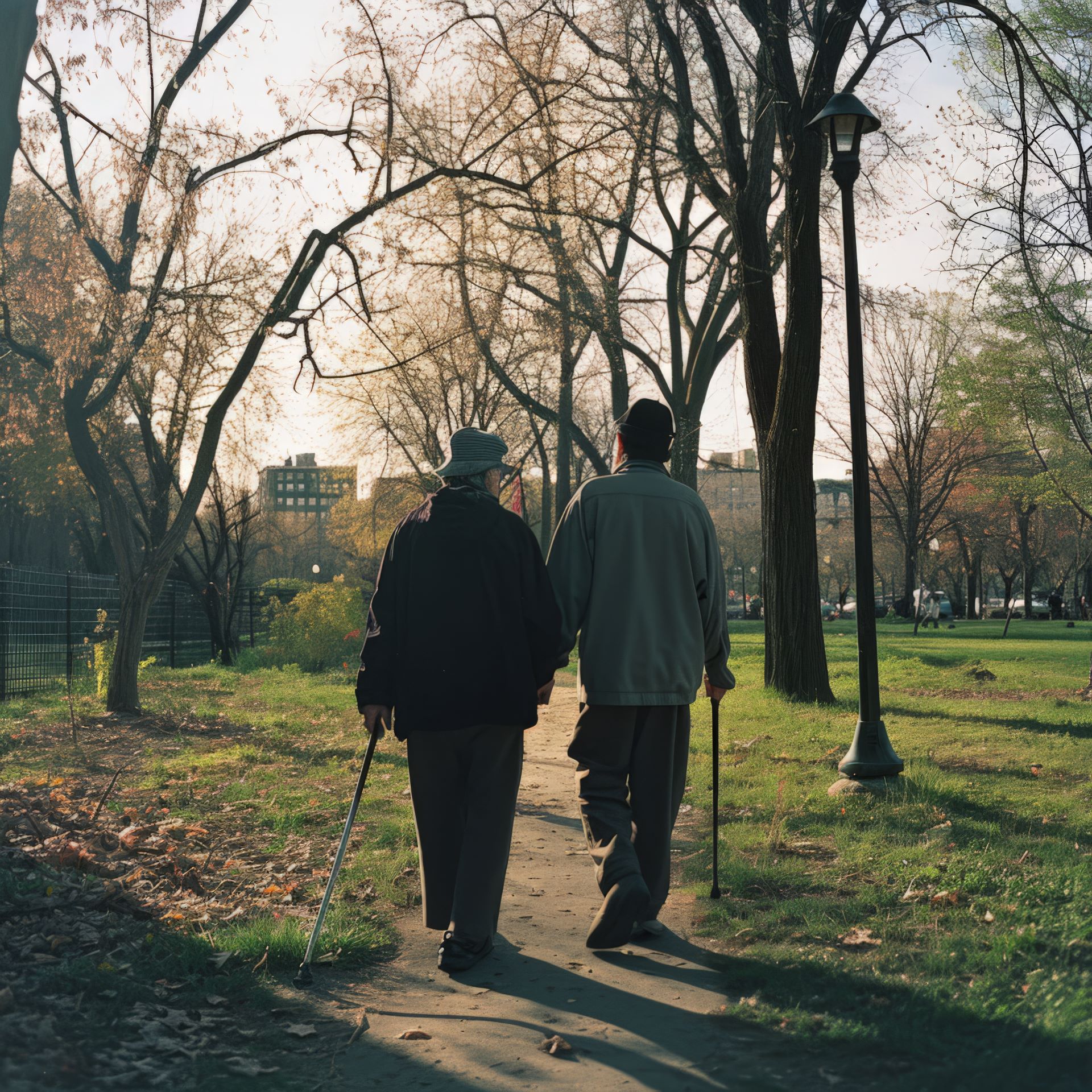
How Culture and Language Can Delay Reporting
Many Torrance families place tremendous value on respecting elders, healthcare professionals, and authority figures. Those values are important, but they can sometimes make it difficult to question a facility when something feels wrong.
For some households—including members of Torrance’s large Japanese-American community—there may also be a desire to avoid confrontation or keep family matters private. Language barriers can create additional challenges when reviewing medical records, communicating with staff, or understanding changes in a loved one’s condition.
As an elder abuse lawyer Torrance families trust, we understand these concerns. We respect every family’s cultural values, work with interpreters when needed, and help clients ask difficult questions without feeling they are betraying a loved one or creating unnecessary conflict.

Common Signs of Nursing Home Abuse and Neglect
Recognizing warning signs early may help prevent additional harm. As a nursing home neglect attorney Torrance families rely on, we investigate many forms of abuse and neglect.
| Warning Sign | Examples | May Indicate |
|---|---|---|
| Falls and Fractures | Hip fractures, unexplained bruises, repeated falls | Inadequate supervision |
| Medical Neglect | Pressure ulcers, infections, medication errors | Poor nursing care or understaffing |
| Basic-Needs Neglect | Dehydration, weight loss, poor hygiene | Failure to monitor residents |
Falls, Fractures, and Supervision Failures
Falls are among the most common nursing home injuries. The Centers for Disease Control and Prevention (CDC) identifies falls as the leading cause of injury among adults age 65 and older, while the Agency for Healthcare Research and Quality (AHRQ) estimates that approximately half of nursing home residents fall each year, highlighting the importance of appropriate supervision, mobility assistance, and individualized fall-prevention measures.
Many falls occur because residents:
- Do not receive assistance when walking
- Are left unattended despite known fall risks
- Experience delayed staff responses
- Lack appropriate assistance during transfers
Hip fractures can permanently reduce a senior’s independence and frequently require hospitalization, surgery, and lengthy rehabilitation.
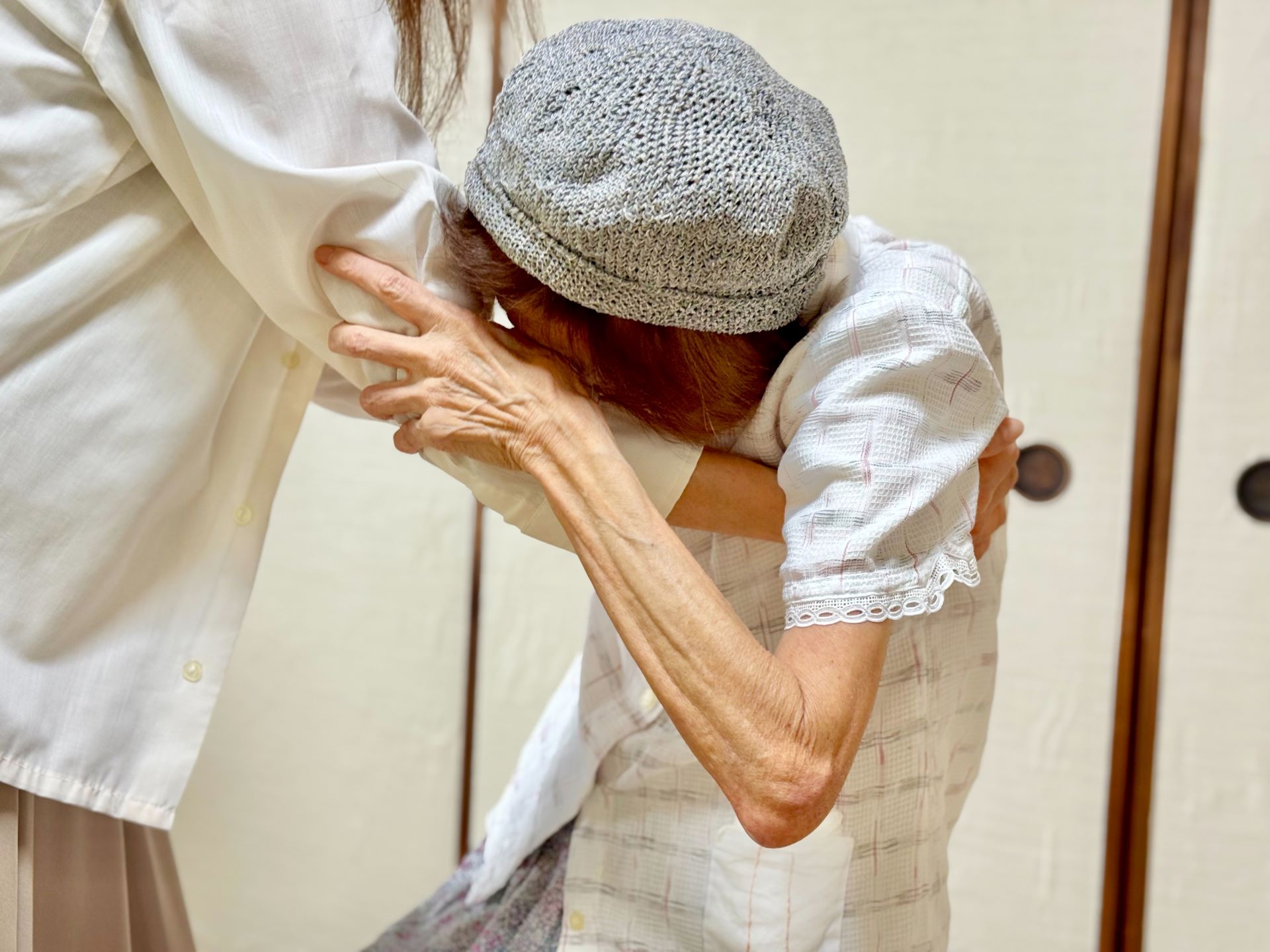

Pressure Ulcers, Dehydration, and Medical Neglect
Many pressure injuries are preventable with appropriate nursing care. The AHRQ recommends preventive measures such as regular repositioning, routine skin assessments, and attention to nutrition and hydration for residents at risk of developing pressure injuries.
Other forms of neglect may include:
- Dehydration nursing home residents experience because fluids are not adequately monitored
- Medication errors
- Untreated infections in elderly residents
- Failure to monitor chronic medical conditions
- Delayed medical treatment
Many of these problems occur alongside operational issues such as understaffed nursing homes, high CNA turnover, overnight supervision failures, and delayed responses to resident call lights.
National Research on Nursing Home Neglect
National research helps illustrate how frequently these issues occur across nursing homes and why early intervention matters.
| Issue | Research Findings |
|---|---|
| Pressure Ulcers | Approximately 11% of residents are affected, depending on the resident population. |
| Falls | A typical 100-bed nursing home may experience 100–200 falls each year. |
| Fractures | Roughly 1 in 10 nursing home falls result in fractures, lacerations, or a head injury. |
| Underreporting | Research suggests only about 57.5% of major injury falls are officially reported. |
When Neglect Follows a Hospital Stay
Not every injury begins inside a nursing home. Some residents suffer rehab negligence after hospitalization, unsafe nursing home transfers, or complications following hospital discharge. Others may enter rehabilitation with one condition and leave with serious preventable injuries resulting from negligent care.
If a hospital discharge error or misdiagnosis contributed to your loved one’s injuries, our firm can also evaluate whether medical malpractice may have played a role alongside nursing home negligence.
Assisted Living and Memory Care
Neglect is not limited to skilled nursing facilities. As a Torrance assisted living abuse lawyer and memory care neglect attorney for Torrance families, our firm investigates abuse occurring in assisted living communities and specialized memory care units.
Residents living with Alzheimer’s disease or other forms of dementia often cannot explain what happened to them, making family involvement especially important.
Warning signs may include:
- Sudden personality changes
- Fear of certain caregivers
- Unexplained bruising
- Poor hygiene
- Rapid weight loss
- Wandering incidents
- Repeated falls
Why Reported Numbers Don’t Tell the Whole Story
Research has shown that nursing homes may substantially underreport major injury falls and pressure ulcers used in federal quality reporting programs. Serious injuries do not always appear in official records.
Families may benefit from reviewing a facility’s inspection history and complaint investigations, which can reveal patterns of repeated deficiencies over time.
What to Do if You Suspect Abuse or Neglect
If something feels wrong, trust your instincts.
We recommend taking the following steps:
- Photograph visible injuries or unsafe conditions
- Keep a written timeline of incidents and conversations
- Request medical records in writing
- Ensure your loved one receives appropriate medical attention
- Speak with an elder neglect law firm in Torrance before signing documents provided by the facility
Our resource explaining what to do if you suspect nursing home abuse in California provides additional guidance.
We’re Here to Help Your Family
Suspecting abuse or neglect can leave caregivers and loved ones feeling overwhelmed and uncertain about what to do next. The Berberian Firm helps families throughout Torrance investigate concerns, protect vulnerable loved ones, and pursue accountability when care facilities fail to provide appropriate treatment.
Contact us for a free, confidential consultation. We’ll listen to your concerns, answer your questions, and explain the next steps.

FAQS
What if the nursing home keeps delaying access to medical records?
Federal and California laws give nursing home residents and their authorized representatives the right to inspect and obtain copies of medical records within specified timeframes. If a facility repeatedly delays providing records or fails to respond to requests, it may be appropriate to ask for an explanation or seek legal guidance.
How can I tell whether this is dementia progression or neglect?
Dementia can cause confusion, memory loss, and changes in behavior. It does not explain preventable injuries such as bedsores, dehydration, unexplained bruises, repeated falls, or untreated infections. If physical injuries accompany cognitive decline, the situation deserves careful review.
Why are some Torrance residents placed in facilities outside the South Bay?
Hospital discharge planning, insurance requirements, specialized rehabilitation programs, and bed availability may all influence placement decisions. Unfortunately, greater distance can make it harder for families to visit frequently and monitor care.
Could a bedsore really develop in only a few weeks?
Yes. Pressure injuries can begin developing within hours or days when residents are not repositioned appropriately. Early intervention is essential to prevent wounds from becoming severe.
I’m worried that complaining will make my parent’s care worse. What should I do?
This concern is common and understandable. Residents have legal protections against retaliation, and families have every right to advocate for safe, appropriate care. Speaking with an attorney may help you raise concerns while focusing on your loved one’s safety.
