
Sherman Oaks
Sherman Oaks Nursing Home Abuse Attorney
Families place tremendous trust in nursing homes and assisted living facilities. You expect your loved one to be safe, cared for, and treated with dignity. But when something feels off—unexplained injuries, sudden health changes, or staff who won’t give clear answers—that trust can quickly turn into concern.
In Sherman Oaks, a community known for its quiet neighborhoods and proximity to major medical centers, many families rely on long-term care facilities to support aging loved ones. While many provide quality care, abuse and neglect still happen.
When facilities are understaffed, poorly managed, or fail to train caregivers properly, vulnerable residents can suffer serious and preventable harm.
If you suspect something isn’t right, you don’t have to ignore those warning signs. Speaking with a Sherman Oaks nursing home abuse attorney can help you understand what steps you can take to protect your loved one.
At The Berberian Firm, we work closely with families across the San Fernando Valley to investigate suspected abuse, uncover the truth, and hold facilities accountable when they fail to provide the care residents deserve.
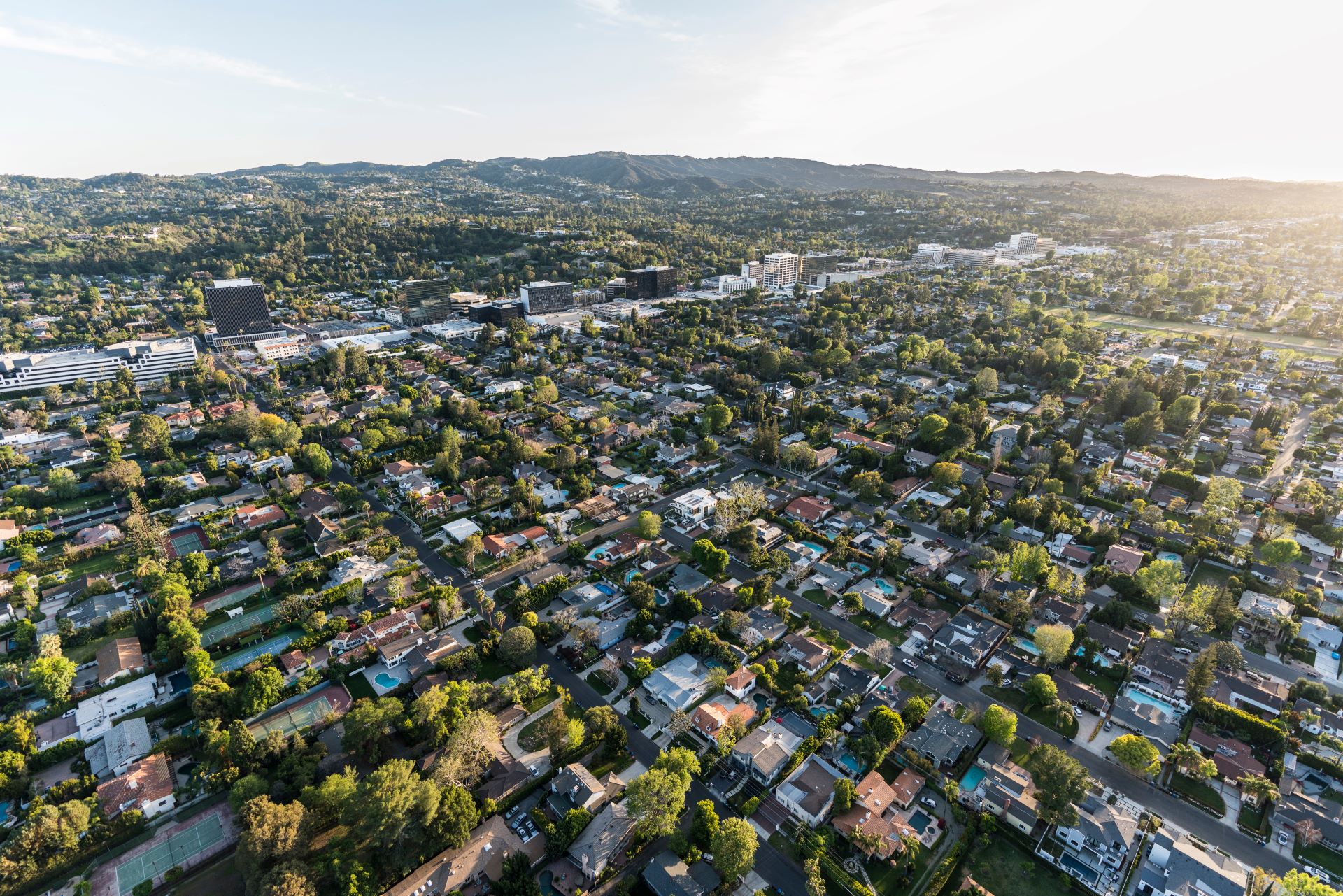
Sherman Oaks’ Growing Senior Population and Care Needs
Sherman Oaks is home to a large and steadily growing senior population, which means more families are relying on long-term care services than ever before. Of the area’s 83,208 residents, 11,966 are 65 or older—about 14% of the community.
That number continues to rise. Since 2010, the population of adults between 65 and 74 has grown by 2,200 people, reflecting a broader shift as more residents reach retirement age and begin to need additional support.
As demand increases, so does the number of care options. Within a five-mile radius of Sherman Oaks, families can choose from 22 assisted living communities and rehabilitation centers.
Many seniors enter these facilities after hospital stays at nearby medical centers like Sherman Oaks Hospital, Valley Presbyterian Hospital, or Providence Cedars-Sinai Tarzana.
While these facilities are meant to support recovery and daily care, problems can arise when staffing, supervision, or training are inadequate. For older adults recovering from illness or injury, even small gaps in care can lead to serious complications.
As more families turn to these facilities, ensuring proper care becomes even more critical because when standards slip, the risk of neglect and abuse increases.

Why Nursing Home Abuse and Neglect Happens
Abuse and neglect in nursing homes often trace back to ongoing problems within a facility—such as understaffing, poor training, or a lack of proper oversight. When systems break down, residents are often the ones who suffer.
Some cases involve negligence, where caregivers are stretched too thin to meet residents’ needs. Others involve more serious misconduct by staff members responsible for vulnerable individuals.
The following are some of the most common types of abuse seen in nursing facilities, and the underlying reasons they occur:
Type of Abuse or Neglect: Physical Abuse
What It Is:
Intentional physical harm, such as hitting, pushing, or improper restraint.
Why It Happens:
Aggressive caregivers, lack of oversight, or failure to intervene.
Type of Abuse or Neglect: Neglect
What It Is:
Failure to provide basic care such as hygiene, food, hydration, or daily assistance.
Why It Happens:
Understaffing and caregivers unable to keep up with residents’ needs.
Type of Abuse or Neglect: Medication Errors
What It Is:
Incorrect medications, missed doses, or improper administration.
Why It Happens:
Poor documentation systems or overwhelmed nursing staff.
Type of Abuse or Neglect: Falls and Preventable Injuries
What It Is:
Residents falling due to a lack of supervision or mobility support.
Why It Happens:
Failure to monitor high-risk residents or follow safety plans.
Type of Abuse or Neglect: Bedsores (Pressure Ulcers)
What It Is:
Painful wounds caused by prolonged pressure.
Why It Happens:
Residents left in the same position for extended periods.
Type of Abuse or Neglect: Emotional or Psychological Abuse
What It Is:
Verbal threats, humiliation, intimidation, or isolation.
Why It Happens:
Caregiver misconduct or disregard for emotional well-being.
Type of Abuse or Neglect: Financial Exploitation
What It Is:
Unauthorized use of a resident’s money, credit cards, or personal property.
Why It Happens:
Staff members or others gaining access to resident finances.
| Type of Abuse or Neglect | What It Is | Why It Happens |
|---|---|---|
| Physical Abuse | Intentional physical harm, such as hitting, pushing, or improper restraint. | Aggressive caregivers, lack of oversight, or failure to intervene. |
| Neglect | Failure to provide basic care such as hygiene, food, hydration, or daily assistance. | Understaffing and caregivers unable to keep up with residents’ needs. |
| Medication Errors | Incorrect medications, missed doses, or improper administration. | Poor documentation systems or overwhelmed nursing staff. |
| Falls and Preventable Injuries | Residents falling due to a lack of supervision or mobility support. | Failure to monitor high-risk residents or follow safety plans. |
| Bedsores (Pressure Ulcers) | Painful wounds caused by prolonged pressure. | Residents left in the same position for extended periods. |
| Emotional or Psychological Abuse | Verbal threats, humiliation, intimidation, or isolation. | Caregiver misconduct or disregard for emotional well-being. |
| Financial Exploitation | Unauthorized use of a resident’s money, credit cards, or personal property. | Staff members or others gaining access to resident finances. |
When a facility fails to provide proper supervision or adequate care, it may violate both the Elder Abuse and Dependent Adult Civil Protection Act (EADACPA) and the federal Nursing Home Reform Act.
A skilled elder abuse lawyer in Sherman Oaks can help investigate what happened, identify where care broke down, and determine whether legal action may be appropriate.
Warning Signs Families Should Watch For
Abuse and neglect in nursing homes don’t always happen in plain sight. Even so, there are often warning signs families can spot during visits, phone calls, or routine check-ins.
Common red flags include:
- Unexplained bruises, fractures, or cuts
- Sudden weight loss or dehydration
- Poor hygiene or unsanitary living conditions
- Bedsores or untreated infections
- Fearful or withdrawn behavior around staff
- Frequent medication errors or missed treatments
- Unusual or unexplained changes in financial accounts
In many situations, these changes are the only way a vulnerable resident can signal that something is wrong.
Families should also be alert to signs of assisted living abuse in Sherman Oaks, including isolation from relatives or restricted visitation.
How To Report Nursing Home Abuse in California
If you suspect abuse or neglect, taking action quickly can help protect your loved one and prevent further harm. California law provides several ways for families to report concerns and hold facilities accountable.
Here are the steps you can take:
1. Report the Issue to Facility Management
Start by documenting concerns and reporting them to the facility administrator or director of nursing. Ask for a written response and keep copies of all communications.
2. File a Complaint With the California Department of Public Health
The California Department of Public Health (CDPH) investigates complaints involving skilled nursing facilities. You can submit a report online or contact your local district office to initiate an investigation.
3. Contact Adult Protective Services
Adult Protective Services (APS) handles reports of abuse involving vulnerable adults, including those in assisted living settings. Families in Sheremon Oaks and nearby Van Nuys residents can contact Los Angeles County APS at (877) 477-3646 or (800) 992-1660.
4. Notify the Long-Term Care Ombudsman
California’s Long-Term Care Ombudsman Program advocates for residents and investigates complaints involving nursing homes and residential care facilities. They can also help resolve issues with the facility.
5. Seek Legal Guidance
If the facility does not address your concerns or your loved one has suffered serious harm, speaking with a Sherman Oaks elder abuse law firm can help you understand your legal options and next steps.
As soon as something doesn’t feel right, trust your instincts and act. Be sure to document injuries, changes in condition, and conversations with staff—this information can be critical when filing a report or pursuing a legal claim.
Your Legal Rights Under California Elder Abuse Laws
California has some of the strongest protections in the country for elderly individuals. Under the EADACPA, victims and their families have the right to pursue compensation when abuse or neglect leads to injury or harm.
When a nursing home or assisted living facility fails to provide proper care, that failure may be grounds for a civil claim. Holding a facility accountable can help recover damages and prevent similar harm to others.
Compensation in elder abuse cases may include:
- Medical expenses related to the abuse or neglect
- Costs of additional care or rehabilitation
- Pain and suffering
- Emotional distress
- Relocation costs to move a loved one to a safer facility
- Wrongful death damages in fatal cases
At The Berberian Firm, we’ve helped families recover substantial settlements in lawsuits involving memory care neglect, preventable falls, dehydration or malnutrition, and cases where residents developed serious infections due to inadequate care. Our focus is on building strong cases that reflect the full impact of what your loved one has endured.
Why Choose The Berberian Firm?
When you suspect elder abuse, it’s normal to feel overwhelmed and unsure of what to do next. At The Berberian Firm, we guide families through this process with clear answers, strong advocacy, and a focus on protecting vulnerable loved ones.
Based in Glendale—just a short drive from Sherman Oaks via the 101—our firm represents families throughout the San Fernando Valley in cases involving nursing home abuse and neglect.
Our nursing home neglect attorneys in Sherman Oaks provide:
- Compassionate client-focused representation. We understand how personal these situations are. Our team approaches every case with care, respect, and a commitment to protecting your loved one’s well-being.
- A hands-on legal approach. You won’t be passed off or left wondering what’s happening. Our attorneys stay directly involved, keeping you informed and guiding you through each step of the process.
- Flexible support when you need it most. We know it’s not always easy to travel while caring for a loved one. That’s why we can meet with you at your home or your loved one’s care facility when needed.
We don’t just investigate these cases—we prepare them for litigation. When facilities refuse to take responsibility, we are ready to pursue claims aggressively and hold them accountable.

Protect Your Elderly Loved One With Legal Support
When a nursing home or assisted living facility fails to provide proper care, the risks don’t stop—they can escalate quickly. Delays can allow neglect to continue, injuries to worsen, and critical evidence to disappear.
You don’t have to wait for answers while your loved one remains in a potentially unsafe environment. Acting quickly can help stop ongoing harm and hold the facility accountable.
At The Berberian Firm, a Sherman Oaks nursing home abuse attorney will review what happened, preserve key evidence, and determine whether the facility can be held legally responsible.
The sooner you act, the stronger your case can be. Contact our team today to protect your loved one and start building your case.
FAQS
Are assisted living facilities regulated differently from nursing homes?
Yes. Nursing homes provide skilled medical care and are regulated under both federal and California law. Assisted living facilities, on the other hand, offer non-medical residential care and are licensed by the California Department of Social Services under separate regulations.
What should I do if a facility refuses to provide medical records?
Under California law, residents and their authorized representatives have the right to access medical records. If a facility refuses to comply, an attorney can step in to obtain those records and determine whether the refusal may be an attempt to conceal evidence.
What if the facility says the accident my relative had was “unavoidable”?
Facilities may describe injuries as unavoidable to limit responsibility. In reality, many of these incidents could have been prevented with proper staffing, supervision, and adherence to appropriate care plans.
What legal compensation can I recover in an elder abuse lawsuit?
Victims may be able to recover compensation for medical expenses, pain and suffering, emotional distress, relocation costs, and other damages related to the abuse or neglect.
Do you handle Spanish-speaking elder abuse cases?
Yes. The Berberian Firm works with Spanish-speaking families and strives to ensure all clients can clearly understand their legal rights and options during the case process.
