
Beverly Hills
Beverly Hills Nursing Home Abuse Attorney
In a city defined by privacy, prestige, and access to world-class medical care, families rarely expect neglect in a senior living community. Yet even in Beverly Hills, preventable injuries and mistreatment can occur behind polished marketing and respected reputations.
Many older adults transition into assisted living or skilled nursing care after treatment at facilities such as Cedars-Sinai Medical Center, UCLA Medical Center, or Beverly Hills Cancer Center.
Families often choose private-pay residences, boutique memory care programs, or live-in support services, believing that higher costs translate to closer supervision and individualized attention. When unexplained injuries, medication errors, or sudden health decline emerge, that confidence gives way to concern and a search for clear answers.
At The Berberian Firm, our elder abuse lawyers in Beverly Hills guide families through these situations with discretion, sensitivity, and focus. We understand how difficult it is to question a facility that has been entrusted with a loved one’s safety.
Our team conducts thorough investigations, explains your legal options clearly, and pursues accountability when harm could and should have been prevented.

Elder Care in Beverly Hills: High Standards, Real Risks
Beverly Hills is home to roughly 7,900 residents age 65 and older, representing nearly a quarter of the local population. It is also one of the wealthiest senior communities in Los Angeles County, with many older adults relying on private-pay care rather than Medicaid-funded facilities.
That approach often includes luxury assisted living communities, discreet memory care units, and one-on-one aides. These settings typically emphasize comfort, personalized service, and favorable staffing ratios, creating an expectation of attentive oversight and individualized care.
However, public inspection reports and federal rating systems show that even highly regarded facilities can receive citations related to resident safety, supervision gaps, or medication management concerns. Complaint records sometimes reflect allegations ranging from neglect and inadequate supervision to improper medication practices.
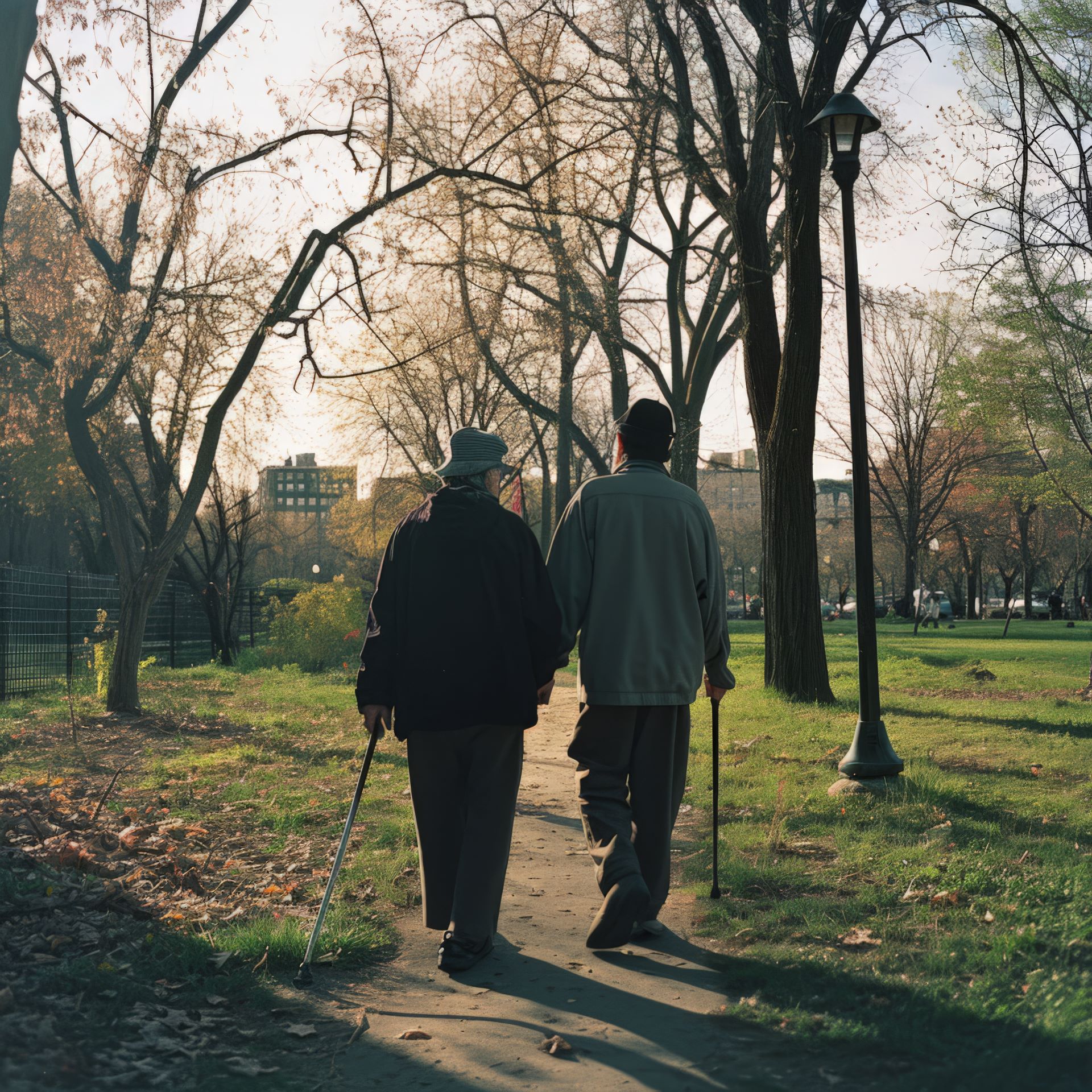
No facility is immune from risk, and higher cost alone does not guarantee quality care. Resident safety ultimately depends on consistent staffing, attentive supervision, and compliance with state and federal standards. When those safeguards break down, even high-end care environments can expose vulnerable residents to preventable harm.
The Types of Abuse and Neglect We See Most Often
Nursing home negligence in facilities near 90210 usually does not look like blatant physical abuse. Instead, it often happens because there are not enough staff members, supervision is inconsistent, or minor problems are ignored until they become serious.
In Beverly Hills, our attorneys handle cases involving the following types of neglect and mistreatment:
Neglect of Basic Needs
What It Involves: Failure to assist with mobility, hygiene, repositioning, toileting, or hydration.
Potential Consequences:
- Pressure injuries
- Infections
- Rapid physical decline
Medication Errors
What It Involves: Incorrect dosages, missed prescriptions, dangerous drug interactions, or improper administration after hospital discharge.
Potential Consequences:
- Overmedication, adverse reactions
- Stroke
- Hospitalization
Fall-Related Negligence
What It Involves: Inadequate supervision of known fall risks, failure to use mobility aids or alarms.
Potential Consequences:
- Hip fractures, traumatic brain injuries
- Loss of independence
Emotional or Psychological Abuse
What It Involves: Yelling, intimidation, humiliation, isolation, or dismissive treatment.
Potential Consequences:
- Anxiety
- Depression
- Withdrawal
- Cognitive decline
Financial Exploitation
What It Involves: Unauthorized transactions, Power of Attorney coercion, misuse of access to accounts or valuables.
Potential Consequences:
- Financial loss
- Loss of trust
- Long-term economic harm
| Type of Misconduct | What It Involves | Potential Consequences |
|---|---|---|
| Neglect of Basic Needs | Failure to assist with mobility, hygiene, repositioning, toileting, or hydration. |
|
| Medication Errors | Incorrect dosages, missed prescriptions, dangerous drug interactions, or improper administration after hospital discharge. |
|
| Fall-Related Negligence | Inadequate supervision of known fall risks, failure to use mobility aids or alarms. |
|
| Emotional or Psychological Abuse | Yelling, intimidation, humiliation, isolation, or dismissive treatment. |
|
| Financial Exploitation | Unauthorized transactions, Power of Attorney coercion , misuse of access to accounts or valuables. |
|
Many of these cases involve residents who are unable to advocate for themselves or report mistreatment. When cognitive decline, recovery from serious medical events, or chronic illness limits independence, even minor lapses in care can lead to harm.
Warning Signs Families Should Never Ignore
Assisted living neglect in Beverly Hills is not always easy to recognize. Upscale surroundings and polished communication can make problems less visible, and concerns may be downplayed with reassuring explanations. Still, families often sense when something has changed.
If your loved one’s care feels inconsistent or troubling, do not dismiss that instinct. The following warning signs deserve immediate attention:
- Sudden weight loss or signs of dehydration
- Unexplained bruises, fractures, or repeated falls
- Pressure sores or recurring infections
- Fear, anxiety, or discomfort around certain staff members
- Withdrawal from regular communication with family
- Unusual changes in financial activity
- Conflicting or unclear explanations about injuries or incidents
Emotional abuse of seniors in Beverly Hills can be tough to detect because it leaves no visible injury. If your loved one appears unusually quiet, distressed, withdrawn, or hesitant to speak openly, those changes may signal deeper concerns that warrant closer review.

When Can a Nursing Home Be Held Legally Responsible?
Not every injury in a care facility amounts to abuse or neglect. However, nursing homes and assisted living communities have specific legal duties under California law, including the Elder Abuse and Dependent Adult Civil Protection Act (EADACPA). When a facility fails to meet the legally required standard of care and a resident is harmed as a result, the facility may be held legally responsible.
You may have grounds to pursue legal action if:
- A fall, medication mistake, or other preventable error leads to serious injury.
- Necessary care is withheld, rushed, or repeatedly delayed despite a known medical need.
- Staff members intimidate, threaten, physically harm, isolate, or financially exploit a resident.
- Administrators ignore complaints or fail to address ongoing safety concerns.
- Neglect or misconduct contributes to a resident’s death.
Our elder and memory care injury attorneys carefully review the facts, identify where standards were not met, and help families pursue accountability when preventable harm occurs.
What To Do if You Suspect Abuse
When something feels wrong, acting quickly can protect your loved one’s safety and preserve important evidence. Ignoring early warning signs may lead to the situation escalating.
If you suspect improper care, consider taking the following steps:
- Document everything. Photograph visible injuries, keep copies of medical records and discharge instructions, and write down dates, times, and details of concerning events.
- Request formal care plan meetings. Ask administrators for a formal meeting and request written explanations of any incidents, staffing levels, or changes in condition.
- Seek an independent medical evaluation. An outside physician can assess whether injuries or health changes are consistent with the facility’s explanation.
- File regulatory complaints. Submit complaints about skilled nursing facilities to the California Department of Public Health (CDPH). Assisted living communities are overseen by the Community Care Licensing Division.
- Consult an elder abuse attorney. An experienced lawyer can evaluate the facts, explain your options, and determine whether a civil claim or wrongful death action may be appropriate.
Prompt intervention can help prevent further harm while protecting your loved one’s legal rights.
Why Choose Our Beverly Hills Elder Law Firm?
Families in Beverly Hills value professionalism, discretion, and clear guidance when concerns arise about a loved one’s care. We understand that many local families prefer a low-profile approach while still seeking accountability when harm occurs.
Clients in the 90210 area turn to The Berberian Firm because we provide:
- Direct attorney involvement from your first conversation through case resolution.
- Extensive experience handling serious elder neglect, abuse, and wrongful death matters.
- A strategic, measured approach when working with care facilities, insurers, and medical providers.
- Careful, discreet communication at every stage.
- Clear, straightforward guidance so families understand their options before making decisions.
We handle each case with sensitivity and professionalism while actively pursuing accountability and fair financial recovery for families affected by preventable harm.

Speak With a Beverly Hills Nursing Home Abuse Attorney
If your loved one entered a respected care facility and now shows signs of injury or unexplained decline, you deserve answers. A residence’s reputation, luxury branding, or exclusivity does not excuse it from meeting legal and professional standards of care.
Our firm has secured millions of dollars for victims of nursing home neglect and elder abuse. We work to recover compensation for medical expenses, additional care needs, and the lasting impact of preventable harm.
If something about your loved one’s care doesn’t feel right, trust your instincts. A private conversation can help you understand what may have happened and what legal options you have moving forward.
Contact The Berberian Firm today to schedule a confidential consultation. We can review your loved one’s records, go over any findings or concerns, and help you understand the next steps.
FAQS
Are elder abuse claims handled privately for high-profile Beverly Hills families?
Often, yes. Many cases resolve through confidential settlement discussions. If court becomes necessary, we take steps to limit public exposure whenever legally possible.
Does the firm travel to local care facilities?
Yes. We meet clients at hospitals, private residences, assisted living communities, and rehabilitation centers throughout Beverly Hills and Los Angeles County.
What are the signs of abuse in high-end assisted living centers?
Common warning signs include unexplained injuries, sudden weight loss, withdrawal, fear around certain staff members, medication changes, or inconsistent explanations about incidents.
Who regulates Beverly Hills senior care homes?
The California Department of Public Health regulates skilled nursing facilities. Assisted living communities are licensed and overseen through Community Care Licensing.
What legal rights do seniors have in assisted living communities?
Residents have the right to safe care, dignity, appropriate medical treatment, and protection from abuse or financial exploitation. When facilities violate these rights, families can take legal action.
References
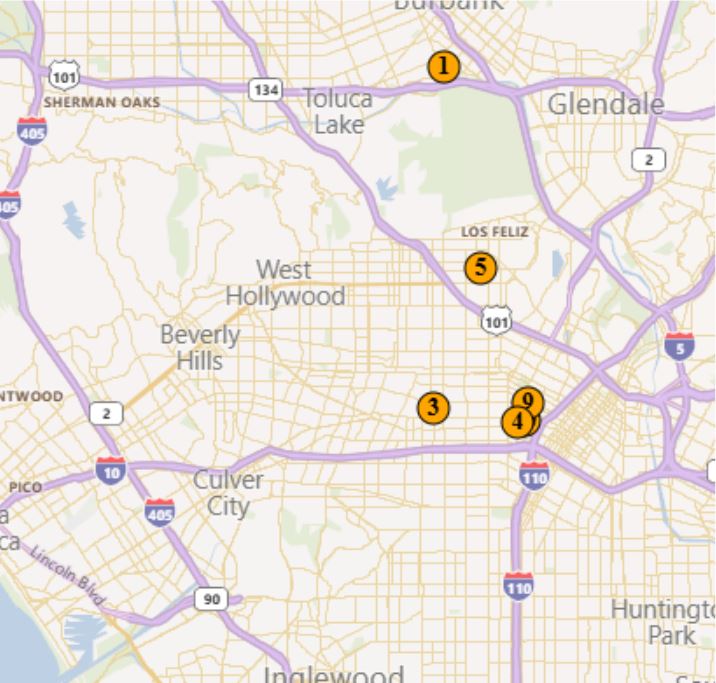
4 & 10 had histories and low CMS ratings
If you click on View More under complaints for Alvarado Care Center, you can see specific instances. You can also switch years to see additional complaints. This is for 2026 so far:
| Complaint ID | Date | Category | Type | Findings | Facility Response |
|---|---|---|---|---|---|
| 2724337 | 01/23/2026 | Resident/Patient/Client Abuse | Physical | No deficiencies noted | FRI |
| 2724337 | 01/23/2026 | Quality of Care/Treatment | Resident Safety | No deficiencies noted | FRI |
Complaint ID: 2724337
Date: 01/23/2026
Category: Resident/Patient/Client Abuse
Type: Physical
Findings: No deficiencies noted
Facility Response: FRI
Complaint ID: 2724337
Date: 01/23/2026
Category: Quality of Care/Treatment
Type: Resident Safety
Findings: No deficiencies noted
Facility Response: FRI
